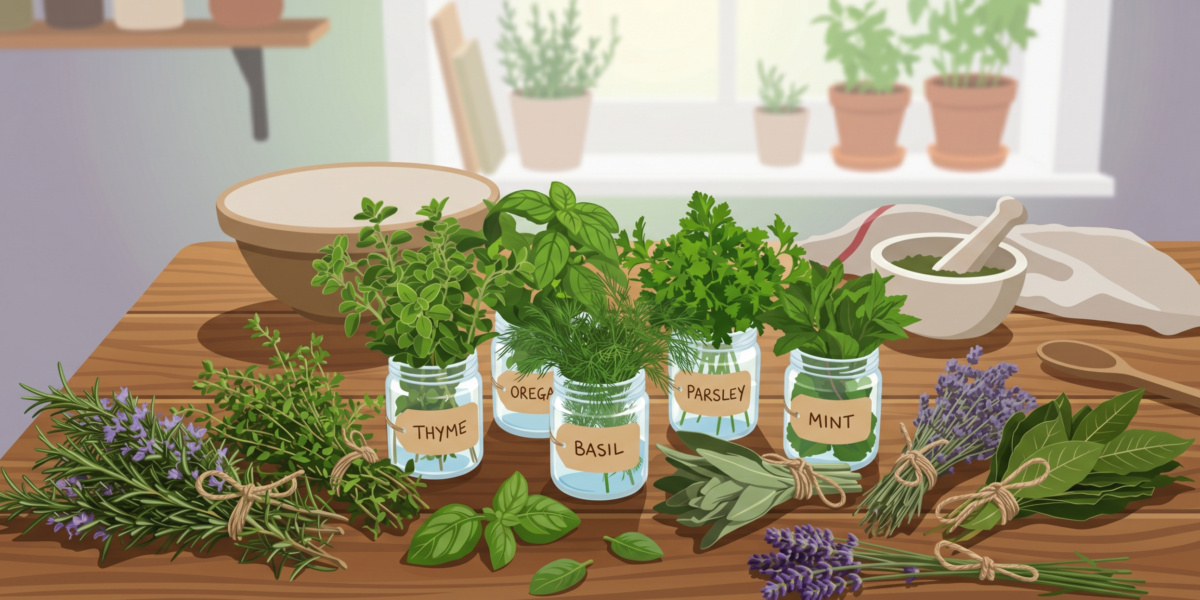
Have you ever wondered which herb to use in your dish? I found this list in a magazine years ago, and I refer to it often. Hopefully, it will help you too!
From garden to table: Master the art of seasoning with this essential guide to flavor profiles and best-use pairings.
Comprehensive Herb Guide
| Herb | Flavor Profile | Culinary Applications |
| Apple Mint | Sweet, crisp apple notes | Tempers heat in horseradish sauce; brightens celery-root salad. |
| Basil | Sweet, peppery, aromatic | Essential for pesto; pairs perfectly with tomatoes, eggs, potatoes, and rice. |
| Bay Leaves | Deep, woodsy, and musty | Adds complexity to marinades, soups, and stews; infuses milk for béchamel. |
| Borage | Mild, refreshing cucumber | Decorative addition to salads, cold soups, and summer cocktails. |
| Calendula | Sweet, sharp, citrusy | Petals add color and a mild tang to salads, rice, and puddings. |
| Caraway Thyme | Spiced thyme with caraway | Use in beet dishes, savory breads, or hearty roasted vegetables. |
| Chervil | Delicate, light anise | Best added at the end to eggs, salads, and delicate fish sauces. |
| Chives | Mild, savory onion | Enhances eggs, potato dishes, soups, and sour cream dips. |
| Cilantro | Fresh, bright, citrus-mint | Indispensable in Mexican, Indian, and Asian cuisine; add fresh at serving. |
| Curly Parsley | Clean, grassy, mild | Excellent cooked in soups or used as a base for butter sauces. |
| Dill | Tangy, celery-anise | Pairs with cucumbers, carrots, chicken soup, and potato salad. |
| Elephant Garlic | Mellow, mild garlic | Use in salad dressings, stir-fries, and lightly sautéed vegetables. |
| English Thyme | Minty, earthy, warm | Best in long-simmered stews or as a rub for grilled vegetables. |
| Flat-leaf Parsley | Sophisticated, vibrant, earthy | More robust than curly; ideal for soups, salads, and herb oils. |
| French Thyme | Subtle, floral, earthy | The gold standard for bouquet garni in stocks and stews. |
| Garlic | Intense, pungent, savory | The foundation of countless global cuisines and essential flavor builder. |
| Grapefruit Mint | Tart, citrusy, cooling | Garnish for fresh citrus or chopped into butter for vegetable sauces. |
| Lavender | Floral, piney, slightly bitter | Infuse into teas, honey, jams, and wine-based vinaigrettes. |
| Lemon Basil | Citrusy, bright, fresh | Complements eggplant, light soups, and fresh summer salads. |
| Lemongrass | Tangy, bright, floral lemon | Essential for Thai curries, stir-fries, and fragrant broth bases. |
| Lemon Thyme | Zesty, citrus-thyme | Ideal with delicate white fish, poultry, or roasted stone fruits. |
| Licorice Mint | Sweet, intense anise | Pairs with bulb fennel or vibrant orange and red onion salads. |
| Marigold | Peppery, bitter, bold | Use sparingly in yogurt sauces, or over grilled fish and salads. |
| Marjoram | Sweet, mild, citrusy | Gentler than oregano; add to meats and tomato dishes at the end. |
| Nasturtiums | Peppery, watercress-like | Flowers provide a sweet bite; excellent in salads or as a garnish. |
| Opal Basil | Mild, earthy, peppery | Best raw; adds striking color to salads; avoid heat as it discolors. |
| Orange Mint | Fruity, cooling, zesty | Excellent in sorbets, jellies, and contrasting spicy Asian dishes. |
| Oregano | Robust, earthy, peppery | Milder fresh; a natural fit for tomato sauce, eggplant, and beans. |
| Peppermint | Sharp, cooling, clean | Use in rice pudding, white cakes, or fresh fruit medleys. |
| Pineapple Sage | Sweet, fruity, aromatic | Infuses beautifully into marinades for fish, chicken, or pork. |
| Rosemary | Pungent, piney, woody | Deepens flavor in roasted lamb, Mediterranean marinades, and focaccia. |
| Russian Tarragon | Mild, slightly grassy | A more subtle, hardy relative of French tarragon; good with chicken. |
| Sage | Warm, musky, savory | Pairs with pork and poultry stuffing; fry leaves for crispy garnish. |
| Savory | Sharp, peppery, salty | Complements dried beans, sautéed cucumbers, and fresh summer corn. |
| Sorrel | Bright, acidic, lemony | Use like spinach; adds a fresh zing to chicken or white fish. |
| Tricolor Sage | Musky, sweet finish | Striking color makes it a perfect garnish; great for goat cheese. |
Which of these herbs do you find yourself reaching for most often in your own kitchen?